
Zagreb
|
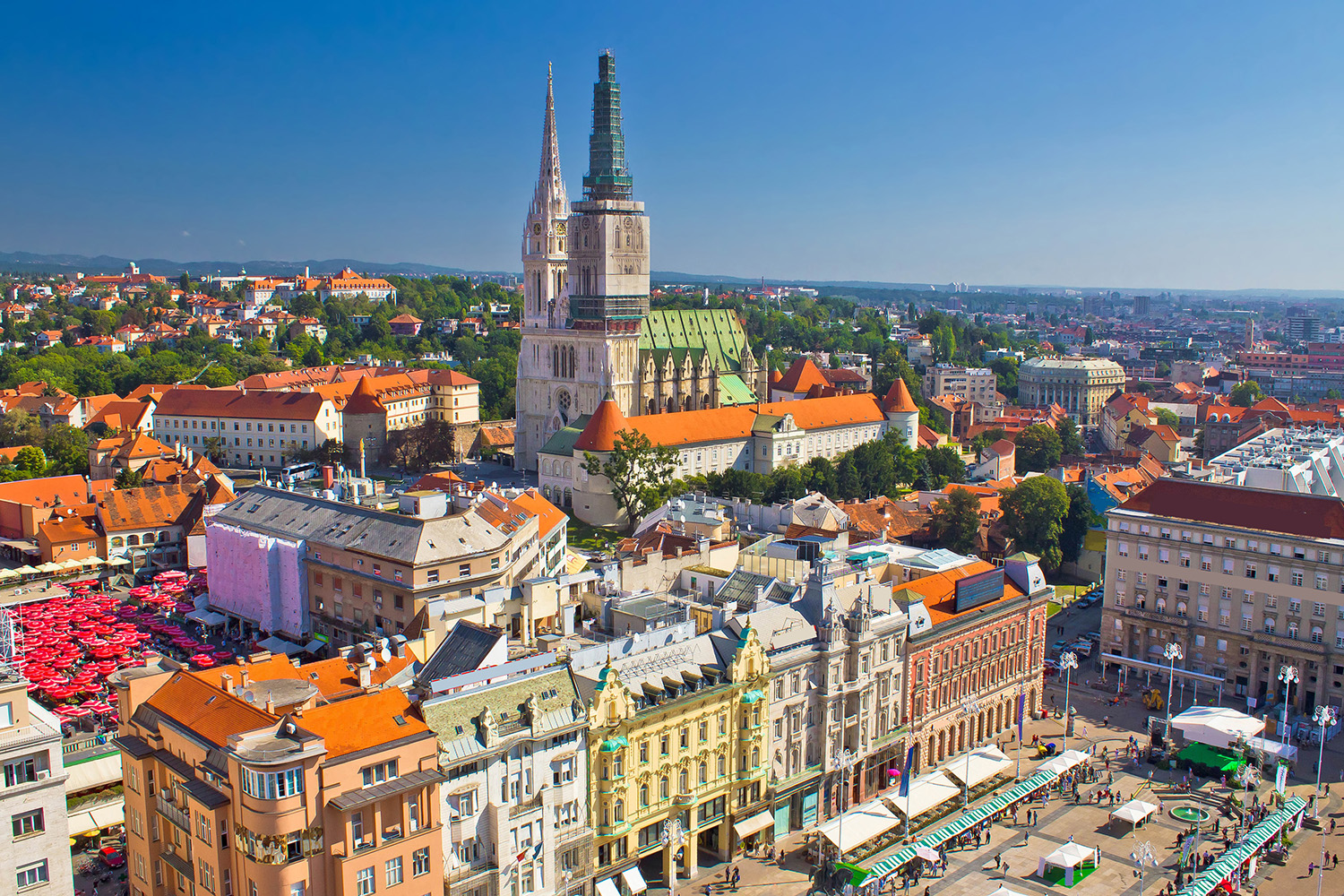
With county status, Zagreb is the administrative, economic, diplomatic and cultural centre of Croatia.
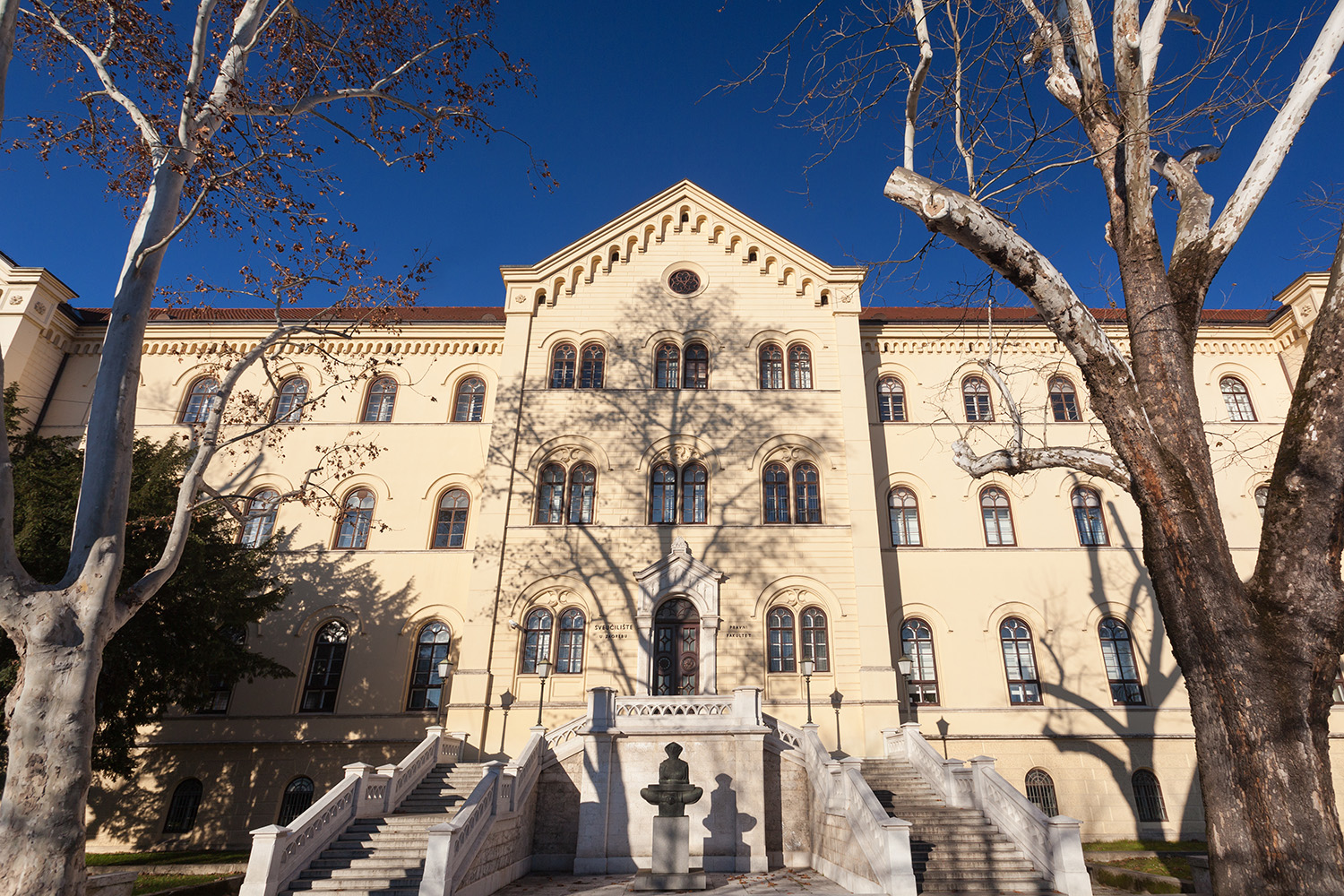
The city has a long academic tradition: the first secular city school opened in the 14th century, the first high school was founded in the 16th century, and the University of Zagreb dates back to the same period. |
 |
 |
Zagreb is also a city of science and culture.
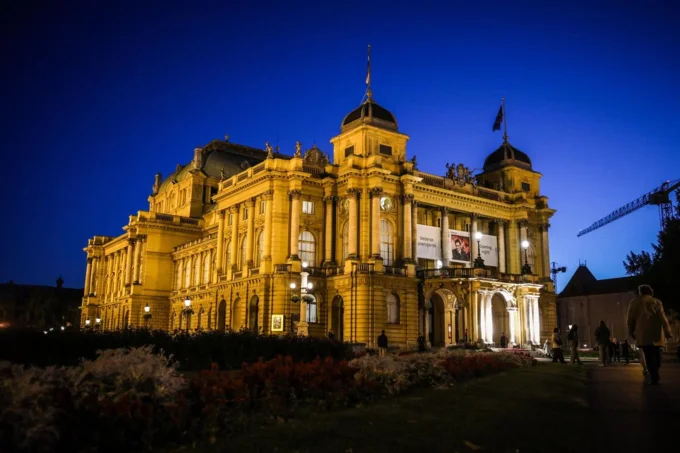
The Croatian National Theatre — a neo-Baroque landmark opened by Emperor Franz Joseph I in 1895 — stands as one of its most recognisable institutions. From spring to autumn, the city hosts numerous open-air performances, exhibitions, and cultural programmes, creating a lively atmosphere that attracts both locals and visitors.
The traditional open-air markets, among the few remaining of their kind in Europe, offer a distinctive and authentic Zagreb experience. |
|
Walking through Zagreb is a journey through history and modern life. Ilica, the longest street in the city, divides the historic Upper Town from the vibrant Lower Town.
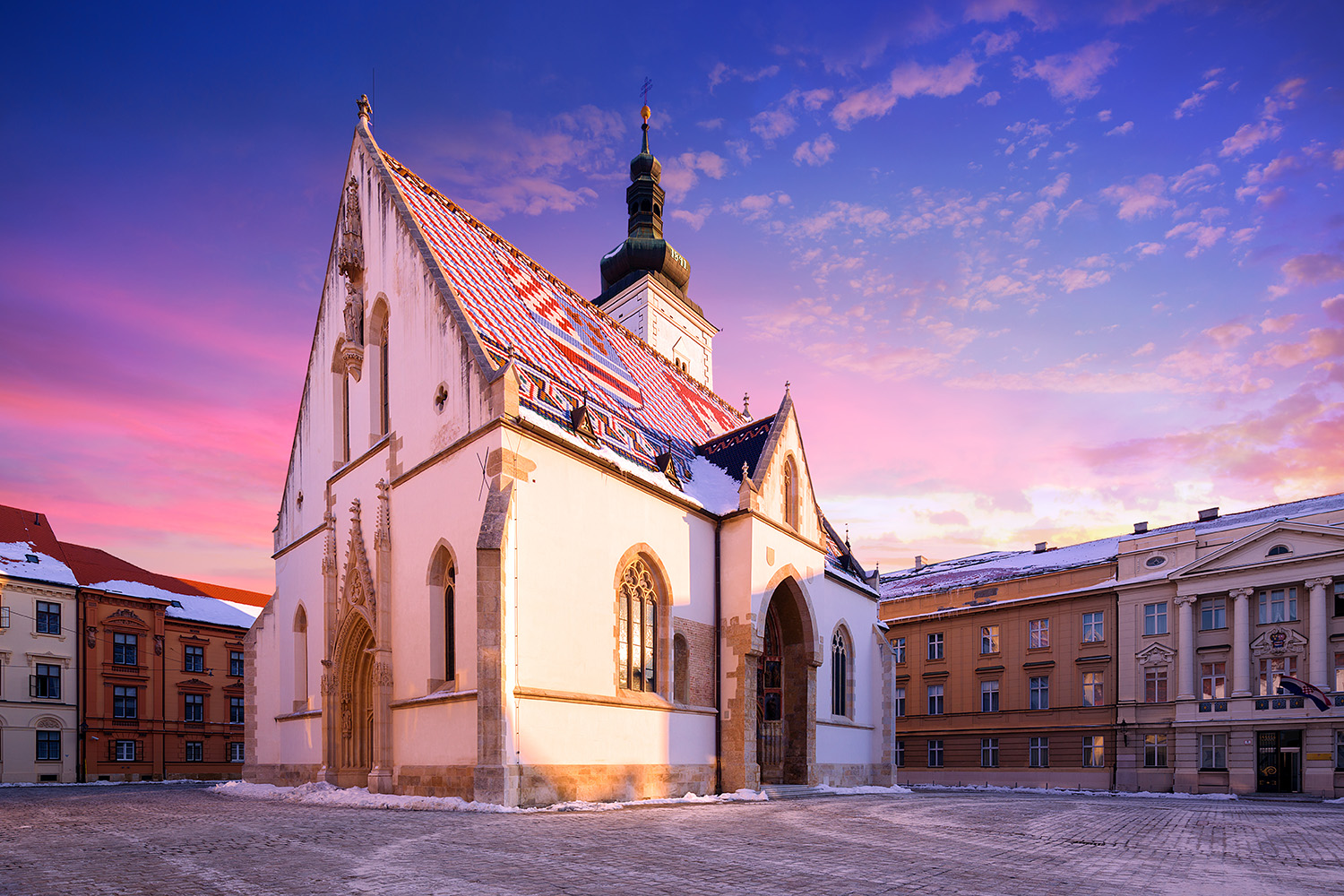
The oldest districts, Gradec and Kaptol (the origins of Zagreb) are considered among the best-preserved Secession-era areas in Europe. Iconic landmarks such as the Stone Gate, Zagreb Cathedral, Ban Jelačić Square, the Mimara Museum, and Mirogoj Cemetery highlight the city’s diverse architectural and cultural heritage. |
 |
 |
Zagreb regularly hosts major cultural and international events and is home to a large student population, making it a lively, dynamic and sport-oriented city.
Its strong sporting tradition, modern facilities and welcoming atmosphere make it an excellent host for international university sports competitions. |
Croatia
General useful information
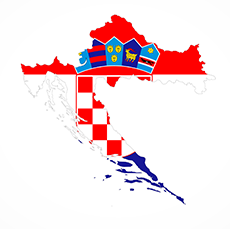 |
Population: 3 866 233 (2024)
Area: 56,594 km² (land) and 31,067 km² (sea)
Administrative division: 21 counties, 127 towns, 429 municipalities
Currency: Euro (EUR)
Language: Croatian
Time zone: CET
Dialling code: +385 |
Weather
Croatia has a continental climate with average summer
In Zagreb, the average UV index in August is 7.
Sun protection is recommended. |
Power Supply & Tap Water
Electricity: 220 V, 50 Hz
Outlets: Continental two-pin type
Tap water is safe to drink throughout the country. |
|
|
Important Telephone Numbers
Country code: +385
Ambulance: 194
Fire Department: 193
Police: 192
Roadside Assistance: 987
Search and Rescue Centre: 9155
Emergency number (all services): 112
General information: 981 |

Culture & Nature
|
 |
Visa Information
A visa allows transit or entry into the Republic of Croatia for stays of up to three months within a six-month period from the date of first entry.
Visas can be obtained at Croatian embassies in the applicant’s home country or, if unavailable, at the nearest Croatian diplomatic mission.
Find more information HERE.
Organizers
 |
|

Partners
 |
|
|
 |
|
|
 |
|
|